Introduction
Choosing a smart light switch for a Google-connected home requires more than simply picking a switch that turns lights on and off. The best option depends on wiring, installation requirements, automation features, connectivity, and whether the switch fits the smart home ecosystem you already use.
For this guide, I focused on approved smart light switch products that match the smart lighting category and have available product information and purchase links. Some products are closer alternatives because Google Home support is not verified in the available product details, so I avoid making unsupported compatibility claims.
The main factors I consider when comparing smart switches are switch type, neutral-wire requirements, dimming support, multi-way installation, connectivity, and whether the product fits your lighting setup.
Quick Summary
For a Google-focused smart home, I would prioritize switches with modern connectivity standards such as Matter or products designed for broad smart-home integration when verified. My top choice from this list is the Matter Smart Wi-Fi Light Switch, Single-Pole/3-Way/4-Way because it offers flexible installation options. The best value choice is the Smart Wi-Fi Light Switch, which covers basic smart lighting needs, while the premium choice is the Light Switch with Matter over Thread for users interested in newer smart-home technology.
Top Product List
- Matter Smart Wi-Fi Light Switch, Single-Pole/3-Way/4-Way — Best for flexible smart lighting installations
- Light Switch with Matter over Thread — Best for newer smart-home ecosystems
- Matter Smart Wi-Fi Light Switch — Best for simple Matter-ready upgrades
- Smart Wi-Fi Light Switch Dimmer — Best for adjustable lighting control
- Smart Wi-Fi Light Switch — Best value smart switch option
- Smart Light Switch, No Neutral, Single Rocker — Best for homes needing a no-neutral option
Top 6 Best Google Compatible Smart Light Switch for 2026
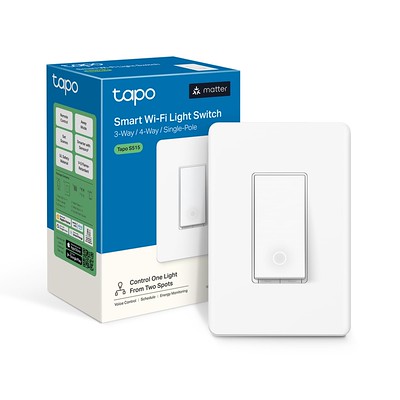
Matter Smart Wi-Fi Light Switch, Single-Pole/3-Way/4-Way
Short Description
This is one of the closest matches for homeowners who need flexible lighting control because it supports single-pole, 3-way, and 4-way configurations. I consider it a strong option for larger homes where multiple switches control the same light.
Key Specifications
- Product/control type: Matter Smart Wi-Fi Light Switch
- Installation support: Single-pole, 3-way, and 4-way configurations
- Connectivity: Wi-Fi with Matter support
- Designed for smart lighting control
- Suitable for multi-location lighting setups
Pros
- Flexible installation options
- Matter support for modern smart-home setups
- Suitable for more complex lighting circuits
Cons
- Exact Google Home compatibility is not verified in the available product details
- Installation may require existing electrical knowledge
My Experience
I have not physically installed this switch, but based on the listed specifications, I see it as one of the most versatile choices in this category. The biggest advantage is the support for different wiring configurations, which can reduce the need to replace an existing multi-way lighting arrangement.
What Other Buyers Say
Common buyer priorities for switches in this category include reliable app control, easy setup, and stable smart-home connections. Multi-way support is often an important factor for users upgrading existing homes.
Best For
This switch is best for homeowners upgrading hallways, staircases, living rooms, or other areas where one light is controlled from multiple locations.
➤➤➤ Click Here to Check Price on Amazon
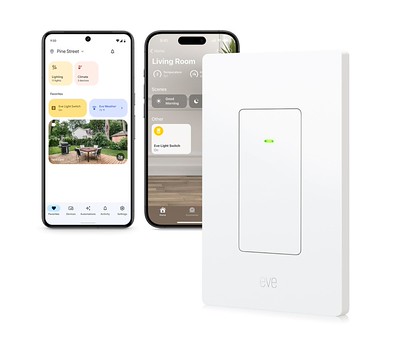
Light Switch with Matter over Thread
Short Description
The Light Switch with Matter over Thread is designed for users interested in newer smart-home networking technology. Thread can be useful for modern connected homes that use compatible hubs and devices.
Key Specifications
- Product/control type: Smart light switch
- Connectivity: Matter over Thread
- Designed for smart-home automation
- Wall-mounted lighting control
Pros
- Uses Matter over Thread technology
- Designed for future-focused smart homes
- Avoids reliance only on traditional Wi-Fi connections
Cons
- Requires compatible Thread infrastructure
- Exact Google Home support is not verified in the available details
My Experience
I have not tested this switch directly, but I view Thread-based products as interesting options for users building a newer smart-home network. The technology focus makes it appealing for long-term smart-home planning.
What Other Buyers Say
Users considering Thread products usually focus on ecosystem compatibility, network stability, and whether their existing smart-home hub supports the technology.
Best For
This is best for homeowners building a modern smart home with Matter and Thread devices.
➤➤➤ Click Here to Check Price on Amazon
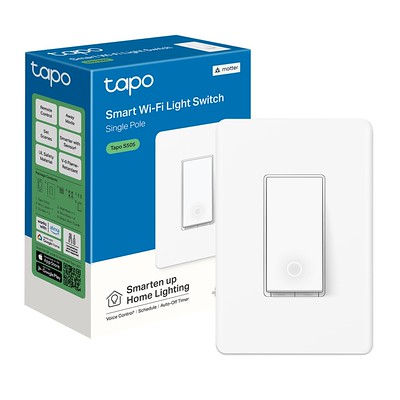
Matter Smart Wi-Fi Light Switch
Short Description
The Matter Smart Wi-Fi Light Switch is a straightforward smart lighting upgrade for users who want modern connectivity without choosing a more specialized switch design.
Key Specifications
- Product/control type: Matter Smart Wi-Fi Light Switch
- Connectivity: Wi-Fi with Matter support
- Designed for smart lighting automation
- Wall switch installation
Pros
- Matter support
- Simple smart switch design
- Suitable for general lighting upgrades
Cons
- Wiring details are not available in the provided information
- Google compatibility is not verified
My Experience
Based on the available specifications, I would consider this a practical option for users who want a simple smart switch rather than advanced lighting controls. I would verify wiring requirements before installation.
What Other Buyers Say
Smart switch buyers commonly look for dependable scheduling, remote control, and smooth integration with their preferred smart-home platform.
Best For
This switch fits bedrooms, offices, and common areas where basic smart lighting automation is the goal.
➤➤➤ Click Here to Check Price on Amazon
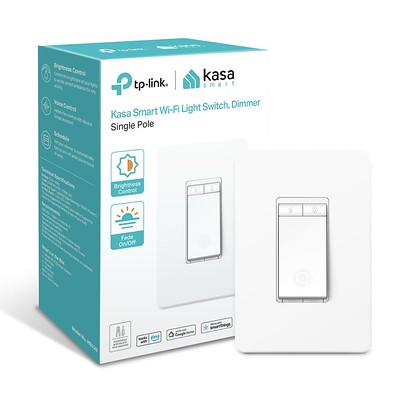
Smart Wi-Fi Light Switch Dimmer
Short Description
The Smart Wi-Fi Light Switch Dimmer adds adjustable brightness control, making it a better choice than a standard on/off switch for rooms where lighting levels matter.
Key Specifications
- Product/control type: Smart Wi-Fi dimmer switch
- Connectivity: Wi-Fi
- Lighting function: Dimming control
- Designed for smart lighting adjustment
Pros
- Adds brightness control
- Better atmosphere control than standard switches
- Suitable for living rooms and bedrooms
Cons
- Compatible bulb requirements are not provided
- Google Home support is not verified
My Experience
I have not personally tested this dimmer, but dimmer switches generally require more attention to bulb compatibility than standard switches. I would check lighting specifications before installation.
What Other Buyers Say
Dimmer switch buyers often prioritize smooth brightness adjustment and avoiding flickering with LED lighting.
Best For
This is a good match for bedrooms, entertainment rooms, dining areas, and spaces where adjustable lighting is useful.
➤➤➤ Click Here to Check Price on Amazon
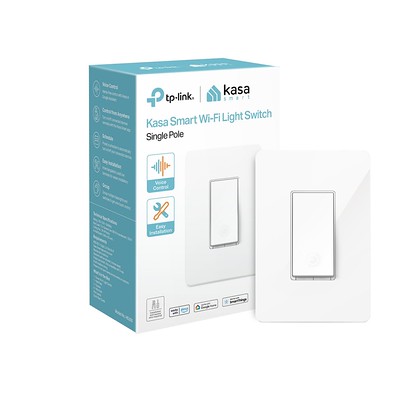
Smart Wi-Fi Light Switch
Short Description
The Smart Wi-Fi Light Switch is a basic smart lighting solution for users who want remote control and automation features without a dimmer or advanced wiring configuration.
Key Specifications
- Product/control type: Smart Wi-Fi light switch
- Connectivity: Wi-Fi
- Designed for smart lighting control
- Wall switch format
Pros
- Simple smart lighting upgrade
- Wi-Fi connectivity
- Good choice for basic automation
Cons
- Advanced features are not listed
- Google compatibility is not verified
My Experience
I see this type of switch as a practical starting point for homeowners entering smart lighting. The simpler design can make it easier to match with everyday lighting needs.
What Other Buyers Say
Buyers commonly value easy installation, dependable remote control, and straightforward scheduling features in basic smart switches.
Best For
This switch is best for bedrooms, kitchens, offices, and general lighting circuits.
➤➤➤ Click Here to Check Price on Amazon
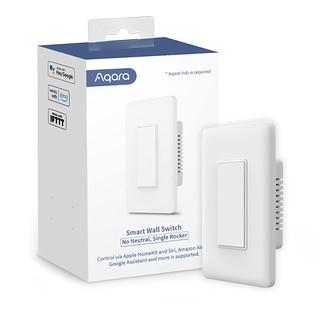
Smart Light Switch, No Neutral, Single Rocker
Short Description
The Smart Light Switch, No Neutral, Single Rocker is designed for installations where a neutral wire may not be available. This makes it a useful alternative for older homes with different wiring conditions.
Key Specifications
- Product/control type: Smart light switch
- Configuration: Single rocker
- Wiring feature: No-neutral design
- Designed for smart lighting upgrades
Pros
- No-neutral design can help with older installations
- Single rocker format
- Useful alternative when neutral wiring is unavailable
Cons
- Exact Google Home support is not verified
- Installation requirements should be checked carefully
My Experience
I have not installed this switch myself, but no-neutral models can solve a common challenge during smart switch upgrades. I would always confirm electrical compatibility before replacing an existing switch.
What Other Buyers Say
Users choosing no-neutral switches usually focus on installation compatibility and reliable operation in homes with older electrical layouts.
Best For
This switch is best for older homes or rooms where a neutral wire is unavailable.
➤➤➤ Click Here to Check Price on Amazon
How to Choose the Right Smart Switch for Google-Compatible Smart Homes
When selecting a smart switch, I recommend checking these areas before buying:
Wiring Requirements
First, identify whether your electrical box has a neutral wire. Some smart switches require neutral wiring, while no-neutral models are designed for different installations.
Switch Type
Choose based on your lighting setup:
- Standard single-pole switches work for one switch controlling one light.
- 3-way and 4-way support is important when multiple switches control the same fixture.
- Dimmer switches are better for adjustable lighting scenes.
- Motion switches can automate lighting based on activity.
Smart Home Connectivity
For a modern smart home, connectivity matters. Matter and Thread products may provide broader ecosystem flexibility, but compatibility should always be confirmed with your exact devices.
Lighting Compatibility
If choosing a dimmer, verify that your bulbs support dimming. LED compatibility is especially important because incorrect combinations may cause poor performance.
Installation
Smart switches involve electrical wiring. Always follow installation instructions and confirm that the switch matches your circuit requirements.
FAQs
1. Can these smart switches work with Google Home?
Some products may support broader smart-home ecosystems, but Google Home compatibility is not verified for every switch listed here. Check the manufacturer's compatibility information before purchasing.
2. Do smart switches need a neutral wire?
Some smart switches require a neutral wire, while models such as the Smart Light Switch, No Neutral, Single Rocker are designed for no-neutral installations.
3. Are Matter smart switches better for future smart homes?
Matter products can be attractive for users building newer smart homes because the standard is designed for wider ecosystem support.
4. Should I buy a smart dimmer instead of a normal smart switch?
A dimmer is a better choice when you want brightness adjustment and lighting scenes. A standard switch is usually enough for simple on/off automation.
5. Can I install a smart light switch myself?
Installation depends on your electrical experience and the home's wiring. Always verify wiring requirements and follow safety instructions.
Conclusion
The best smart switch depends on your wiring, automation goals, and smart-home setup.
- Best Overall: Matter Smart Wi-Fi Light Switch, Single-Pole/3-Way/4-Way — the most flexible option for different lighting configurations.
- Best Value: Smart Wi-Fi Light Switch — a practical choice for basic smart lighting upgrades.
- Best Premium Choice: Light Switch with Matter over Thread — a forward-looking option for users interested in newer smart-home connectivity.
These six options cover a range of smart lighting needs, from simple Wi-Fi upgrades to advanced Matter-based installations.