Introduction
Smart home security is no longer limited to cameras and alarms. Smart light switches can play an important role by automating lighting schedules, controlling entryway lights remotely, and helping create the appearance that someone is home even when the house is empty.
When choosing an IoT light switch for security-focused automation, I look at factors such as connectivity, installation requirements, smart-home compatibility, motion features, multi-location control, and whether the switch fits the lighting setup already installed.
For 2026, the best options include Z-Wave switches for reliable automation networks, Wi-Fi switches for simple app control, Matter-compatible models for broader ecosystem support, and motion-enabled switches for hands-free security lighting.
Quick Summary
For most smart home security setups, I consider the Matter Smart Wi-Fi Light Switch, Single-Pole/3-Way/4-Way the strongest overall option because it supports flexible installation types and modern smart-home integration. The Wi-Fi Motion-Activated Smart Light Switch is a great choice for automatic lighting in security-sensitive areas, while the Z-Wave Smart Switch is a solid option for homeowners building a dedicated smart-home hub system.
Top Product List
- Matter Smart Wi-Fi Light Switch, Single-Pole/3-Way/4-Way — Best for flexible smart-home security installations
- Wi-Fi Motion-Activated Smart Light Switch — Best for automatic security lighting
- Z-Wave Smart Switch — Best for reliable smart-home automation networks
- Smart Light Switch, No Neutral, Single Rocker — Best for homes without a neutral wire
- Decora Smart Wi-Fi 2nd Gen Switch with Matter — Best premium Matter-compatible option
- Light Switch with Matter over Thread — Best for Thread-based smart homes
Top 6 Best Iot Light Switches For Smart Home Security for 2026
Matter Smart Wi-Fi Light Switch, Single-Pole/3-Way/4-Way
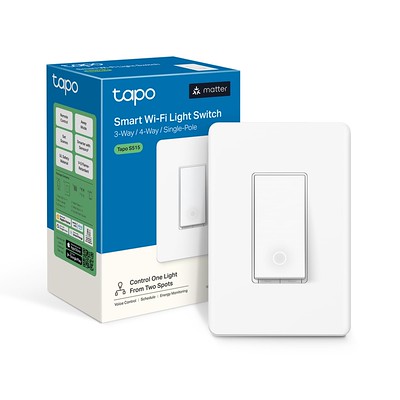
The Matter Smart Wi-Fi Light Switch, Single-Pole/3-Way/4-Way is designed for homeowners who want a flexible lighting control option for different wiring situations. Its support for single-pole and multi-location configurations makes it suitable for security lighting around entrances, hallways, and common areas.
Key Specifications
- Product/control type: Smart Wi-Fi light switch
- Single-pole, 3-way, and 4-way support
- Matter smart-home compatibility
- Wi-Fi connectivity
- Designed for in-wall lighting control
Pros
- Flexible installation options
- Works well for expanding smart lighting coverage
- Matter support helps with ecosystem flexibility
Cons
- Installation requirements should be checked before purchase
- Advanced features depend on the connected smart-home platform
My Experience
When I evaluate smart switches for security applications, flexible wiring support is one of the biggest advantages. A switch that can fit different lighting locations makes it easier to create automation routines for doors, hallways, and outdoor-adjacent areas. I like that this type of switch can be part of a larger smart-home lighting strategy without requiring every circuit to be redesigned.
What Other Buyers Say
Users commonly look for Matter-compatible switches because they want easier integration between different smart-home platforms. Buyers also appreciate having a switch that can replace traditional wall controls while adding automation.
Best For
This is best for homeowners creating a modern smart security lighting system with multiple switch locations.
➤➤➤ Click Here to Check Price on Amazon
Wi-Fi Motion-Activated Smart Light Switch
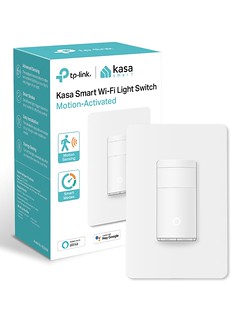
The Wi-Fi Motion-Activated Smart Light Switch adds automatic lighting control through motion detection. This makes it useful for areas where security lighting and convenience overlap, such as hallways, garages, entry points, and utility spaces.
Key Specifications
- Product/control type: Motion-activated smart light switch
- Wi-Fi connectivity
- Integrated motion sensing
- Smart lighting automation support
Pros
- Automatic lighting based on movement
- Useful for security-focused routines
- Reduces the need for manual switching
Cons
- Motion performance depends on installation location
- May not replace every dedicated security device
My Experience
For security lighting, I find motion-based controls especially practical because they reduce reliance on schedules alone. A motion switch can react to activity immediately, making it useful for areas where unexpected movement should trigger lighting.
What Other Buyers Say
Buyers often choose motion switches for convenience and energy savings. Many users like having lights activate automatically in frequently used spaces.
Best For
This is ideal for garages, hallways, storage areas, and entry zones where automatic illumination improves visibility.
➤➤➤ Click Here to Check Price on Amazon
Z-Wave Smart Switch
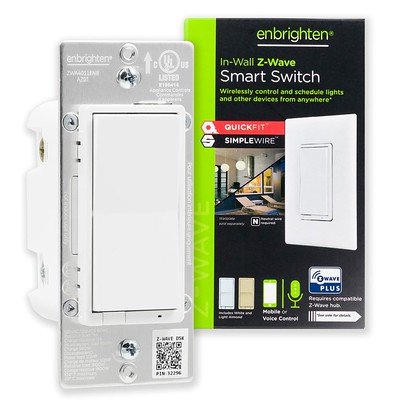
The Z-Wave Smart Switch is a good fit for homeowners who prefer a dedicated smart-home automation network. Z-Wave switches are commonly used in security-focused systems because they can connect with compatible hubs and automation devices.
Key Specifications
- Product/control type: Z-Wave smart switch
- Z-Wave connectivity
- In-wall lighting control
- Smart-home hub integration
Pros
- Designed for automation networks
- Good choice for larger smart homes
- Helps separate smart devices from regular Wi-Fi traffic
Cons
- Requires a compatible Z-Wave hub
- Setup can be more involved than simple Wi-Fi switches
My Experience
For larger smart homes, I generally prefer systems that can organize many devices reliably. A Z-Wave switch can be a strong foundation for security automations involving lights, sensors, and other connected devices.
What Other Buyers Say
Z-Wave users often choose these products because they value automation reliability and compatibility with hub-based smart-home systems.
Best For
This is best for homeowners building a dedicated smart security ecosystem.
➤➤➤ Click Here to Check Price on Amazon
Smart Light Switch, No Neutral, Single Rocker
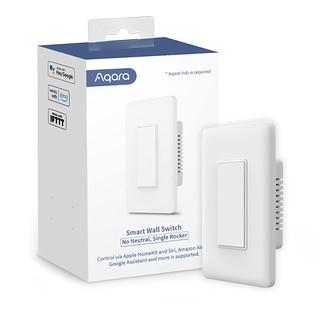
The Smart Light Switch, No Neutral, Single Rocker is designed for installations where a neutral wire may not be available. This can make smart lighting upgrades easier in older homes.
Key Specifications
- Product/control type: Smart light switch
- No-neutral design
- Single rocker configuration
- Smart lighting control
Pros
- Useful for older electrical setups
- Expands smart switch options
- Keeps traditional wall switch placement
Cons
- Compatibility should be verified before installation
- Feature availability depends on the connected system
My Experience
A common challenge in smart switch upgrades is wiring compatibility. No-neutral options can open more possibilities, especially when upgrading existing homes where electrical wiring may vary from newer construction.
What Other Buyers Say
Homeowners often look for no-neutral switches because they solve installation limitations without requiring major electrical changes.
Best For
This is best for older homes needing smart security lighting upgrades.
➤➤➤ Click Here to Check Price on Amazon
Decora Smart Wi-Fi 2nd Gen Switch with Matter
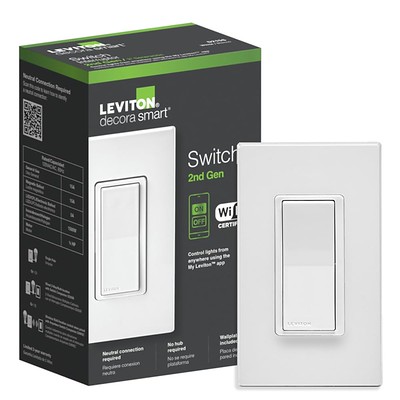
The Decora Smart Wi-Fi 2nd Gen Switch with Matter combines traditional wall-switch design with modern smart-home connectivity. It is aimed at users who want app-based lighting control with newer smart-home standards.
Key Specifications
- Product/control type: Smart Wi-Fi switch
- Matter compatibility
- In-wall installation
- Smart lighting automation support
Pros
- Modern smart-home compatibility
- Familiar wall-switch format
- Suitable for automated lighting routines
Cons
- Requires checking electrical compatibility
- Advanced automation depends on the platform used
My Experience
Premium smart switches are usually most valuable when they fit into a larger automation plan. Matter compatibility is useful because it can reduce concerns about choosing one ecosystem too early.
What Other Buyers Say
Users often appreciate smart switches that provide future flexibility and avoid ecosystem lock-in.
Best For
This is best for homeowners who want a premium smart lighting upgrade.
➤➤➤ Click Here to Check Price on Amazon
Light Switch with Matter over Thread
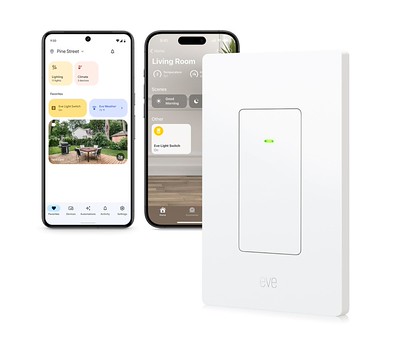
The Light Switch with Matter over Thread is designed for users interested in newer low-power smart-home networking technology. It can be considered for security lighting setups built around Thread-compatible devices.
Key Specifications
- Product/control type: Smart light switch
- Matter over Thread support
- Smart-home integration
- In-wall lighting control
Pros
- Supports newer smart-home technology
- Designed for connected home automation
- Good fit for modern ecosystems
Cons
- Requires compatible Thread infrastructure
- Not every smart-home setup uses Thread
My Experience
Thread-based devices are becoming more interesting for smart homes because they are designed specifically for connected-device communication. For security lighting, network reliability and compatibility are important considerations.
What Other Buyers Say
Users interested in next-generation smart homes often look for Matter and Thread support to improve long-term compatibility.
Best For
This is best for smart-home enthusiasts building a newer Matter and Thread ecosystem.
➤➤➤ Click Here to Check Price on Amazon
How to Choose the Right Smart Switch or Electrical Control
Choosing the right IoT light switch depends on your home's wiring, automation goals, and security needs.
First, check wiring compatibility. Some homes have neutral wires available behind existing switches, while others may require no-neutral models.
Next, consider the type of security automation you want:
- Motion switches are useful for automatic lighting when movement is detected.
- Standard smart switches are better for schedules, remote control, and simulated occupancy.
- Multi-way switches are helpful for controlling lights from multiple locations.
- Matter and Thread models are useful for homeowners who want broader future compatibility.
- Z-Wave switches are useful for hub-based smart-home systems.
Also consider the lighting load, installation requirements, and whether the switch supports your preferred smart-home platform.
For security purposes, the best smart switch is not always the one with the most features. A reliable switch that works with your existing automation system will usually provide the best long-term experience.
FAQs
1. Can smart light switches improve home security?
Yes. Smart light switches can help by automating lighting schedules, enabling remote control, and creating occupancy-style lighting routines.
2. Are motion sensor light switches good for security?
Motion switches can be useful for automatically turning lights on when movement occurs in selected areas.
3. Do smart switches require a neutral wire?
Some smart switches require a neutral wire, while no-neutral models are designed for homes without one.
4. Is Matter better than Wi-Fi for smart security lighting?
Matter improves smart-home compatibility, while Wi-Fi provides direct network connectivity. The best choice depends on your existing ecosystem.
5. Are Z-Wave switches good for smart homes?
Z-Wave switches can be a good option for hub-based smart homes that use automation devices and security sensors.
Conclusion
The best IoT light switches for smart home security in 2026 depend on your wiring, smart-home platform, and automation goals.
- Best Overall: Matter Smart Wi-Fi Light Switch, Single-Pole/3-Way/4-Way — a flexible option for modern smart lighting systems.
- Best Value: Wi-Fi Motion-Activated Smart Light Switch — a practical choice for automatic security lighting.
- Best Premium Choice: Decora Smart Wi-Fi 2nd Gen Switch with Matter — a strong option for homeowners wanting advanced smart-home compatibility.