Introduction
Building a smart switch application in 2026 requires more than choosing a connected wall switch. Developers, installers, and smart-home enthusiasts need a control platform that can support reliable communication, flexible automation, and compatibility with modern ecosystems.
The best smart switch platforms usually combine a suitable hardware controller, wireless protocol support, automation options, and installation flexibility. I look at factors such as connectivity approach, switch type, relay capability, smart-home integration potential, and suitability for different projects when comparing these solutions.
Quick Summary
For building smart switch applications, I recommend choosing platforms that provide strong ecosystem support and flexible control options. Matter-based devices are attractive for cross-platform projects, Z-Wave remains popular for dedicated smart-home networks, and relay modules are useful when integrating existing electrical systems. My top recommendation is the MINIR4M Matter Smart Switch Relay because it offers a compact approach for custom smart control projects.
Top Product List
- MINIR4M Matter Smart Switch Relay — Best for flexible Matter-based smart switch applications
- Matter Smart Wi-Fi Light Switch, Single-Pole/3-Way/4-Way — Best for multi-location lighting projects
- Light Switch with Matter over Thread — Best for Thread-based smart home platforms
- Dual Relay Module T2, Zigbee 3.0 — Best for Zigbee automation systems
- 1 Mini Gen4 Smart Relay, Wi-Fi/Bluetooth/Zigbee/Matter — Best multi-protocol relay platform
- Red Series 2-1 Smart Switch / Dimmer, Z-Wave 800 — Best for advanced Z-Wave installations
Top 6 Best Platforms For Building Smart Switch Applications for 2026
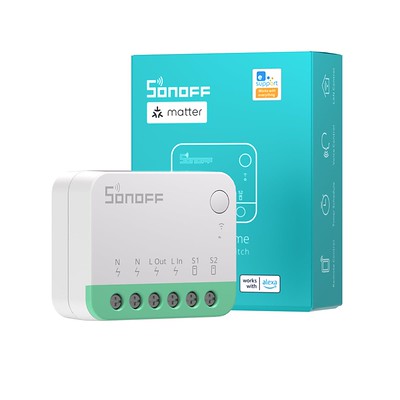
MINIR4M Matter Smart Switch Relay
Short Description
The MINIR4M Matter Smart Switch Relay is a compact smart control module designed for projects where developers need to add intelligent switching functions without replacing an entire wall switch. It is a strong choice for custom smart switch applications because relay modules provide flexibility for different installation scenarios.
Key Specifications
- Product/control type: Smart switch relay module
- Connectivity: Matter support
- Compact in-wall control design
- Suitable for custom smart switching projects
- Designed for integration into smart automation systems
Pros
- Flexible installation approach
- Matter support for broader ecosystem compatibility
- Useful for custom smart switch applications
- Compact relay format
Cons
- Relay modules may require more installation planning than replacing a standard switch
- Electrical compatibility must be confirmed before installation
My Experience
When evaluating smart switch platforms, I find relay modules especially interesting because they separate the smart control layer from the physical switch design. The MINIR4M Matter Smart Switch Relay fits this approach well. I have not physically installed this device, but based on its specifications, it is better suited for builders who want to create customized smart control solutions rather than simple plug-and-play upgrades.
What Other Buyers Say
Common feedback around relay-style smart controls focuses on flexibility and the ability to automate existing electrical setups. Users often appreciate compact designs but emphasize checking wiring requirements before installation.
Best For
This platform is best for developers, smart-home builders, and automation projects that need a flexible Matter-compatible relay.
➤➤➤ Click Here to Check Price on Amazon
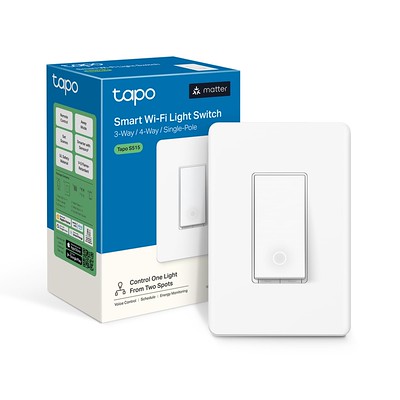
Matter Smart Wi-Fi Light Switch, Single-Pole/3-Way/4-Way
Short Description
The Matter Smart Wi-Fi Light Switch, Single-Pole/3-Way/4-Way is designed for smart lighting applications requiring more flexible circuit configurations. It is a practical platform for projects involving traditional wall switch replacement.
Key Specifications
- Product/control type: Smart wall light switch
- Connectivity: Wi-Fi with Matter support
- Supports single-pole, 3-way, and 4-way applications
- Designed for smart lighting automation
Pros
- Broad circuit application support
- Matter compatibility
- Suitable for lighting automation projects
Cons
- Installation requirements depend on existing wiring
- Not a dedicated relay-only platform
My Experience
For smart switch applications that need a familiar wall switch format, this type of platform makes development easier because the hardware matches common lighting installations. I have not personally tested this model, but its listed configuration options make it suitable for projects where circuit flexibility matters.
What Other Buyers Say
Users commonly look for Matter switches because they want easier integration between different smart-home ecosystems. Feedback often highlights convenience while noting the importance of correct installation.
Best For
This is best for smart lighting projects that need a traditional switch interface with modern connectivity.
➤➤➤ Click Here to Check Price on Amazon
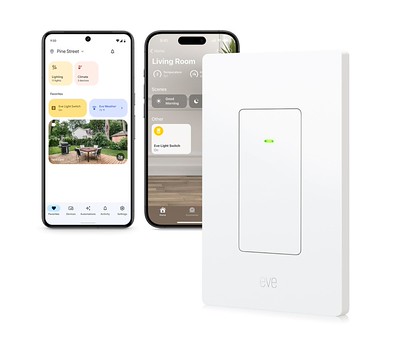
Light Switch with Matter over Thread
Short Description
The Light Switch with Matter over Thread focuses on newer smart-home networking approaches. It is designed for applications where low-power Thread communication and Matter compatibility are important.
Key Specifications
- Product/control type: Smart light switch
- Connectivity: Matter over Thread
- Designed for modern smart-home networks
- Supports connected lighting applications
Pros
- Uses newer smart-home networking technology
- Matter ecosystem support
- Good fit for future-focused installations
Cons
- Thread projects may require compatible network infrastructure
- Compatibility should be checked with the target ecosystem
My Experience
Thread-based smart switches are appealing because they represent a move toward more efficient connected home networks. I have not tested this switch directly, but its protocol support makes it a strong candidate for developers creating next-generation smart lighting applications.
What Other Buyers Say
Smart-home users interested in Thread often value network efficiency and future compatibility. Many also pay close attention to ecosystem support before choosing hardware.
Best For
This platform works well for new smart homes and developers exploring Matter and Thread applications.
➤➤➤ Click Here to Check Price on Amazon
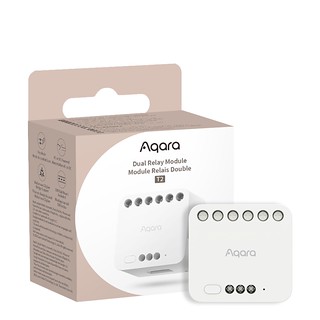
Dual Relay Module T2, Zigbee 3.0
Short Description
The Dual Relay Module T2, Zigbee 3.0 provides a Zigbee-based control platform for automation projects requiring relay switching. It is useful for applications where compact smart control modules are preferred.
Key Specifications
- Product/control type: Dual relay module
- Connectivity: Zigbee 3.0
- Designed for smart switching automation
- Supports relay-based control projects
Pros
- Zigbee ecosystem support
- Dual relay design
- Flexible automation possibilities
Cons
- Requires a compatible Zigbee hub or controller
- Installation knowledge is important
My Experience
Zigbee relay platforms remain popular because they can fit into larger automation systems. I have not installed this module myself, but its dual relay design makes it interesting for projects needing more than one controlled circuit.
What Other Buyers Say
Zigbee users frequently appreciate reliable local smart-home communication. Buyers often mention that hub compatibility is a key consideration.
Best For
This is best for Zigbee-based smart switch applications and automation projects requiring multiple relay outputs.
➤➤➤ Click Here to Check Price on Amazon
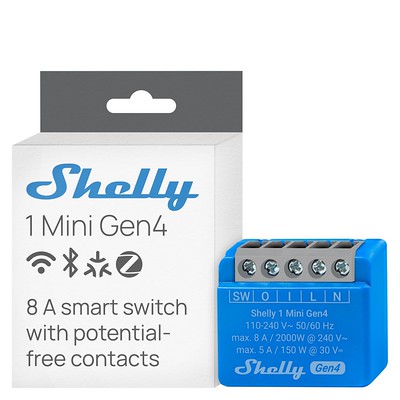
1 Mini Gen4 Smart Relay, Wi-Fi/Bluetooth/Zigbee/Matter
Short Description
The 1 Mini Gen4 Smart Relay is a versatile platform designed around multiple communication methods. Its combination of Wi-Fi, Bluetooth, Zigbee, and Matter support makes it suitable for different smart switch application designs.
Key Specifications
- Product/control type: Smart relay
- Connectivity: Wi-Fi, Bluetooth, Zigbee, Matter
- Multi-protocol smart control platform
- Designed for automation integration
Pros
- Multiple connectivity options
- Flexible for different smart-home designs
- Suitable for advanced automation projects
Cons
- More features may require additional configuration
- Installation requirements vary by application
My Experience
Multi-protocol devices are valuable when building smart switch applications because they reduce dependence on one ecosystem. I have not personally tested this relay, but its connectivity options make it one of the more adaptable platforms in this list.
What Other Buyers Say
Buyers interested in flexible smart-home hardware often prefer devices supporting multiple communication standards. Configuration simplicity is usually an important factor.
Best For
This platform is ideal for developers who want flexibility across Wi-Fi, Zigbee, and Matter environments.
➤➤➤ Click Here to Check Price on Amazon
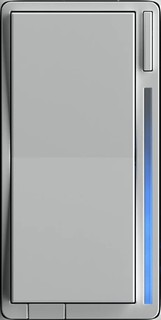
Red Series 2-1 Smart Switch / Dimmer, Z-Wave 800
Short Description
The Red Series 2-1 Smart Switch / Dimmer, Z-Wave 800 is designed for Z-Wave smart-home applications requiring both switching and dimming functionality.
Key Specifications
- Product/control type: Smart switch and dimmer
- Connectivity: Z-Wave 800
- Supports lighting control applications
- Designed for Z-Wave automation networks
Pros
- Z-Wave platform support
- Combines switch and dimmer functions
- Suitable for advanced smart homes
Cons
- Requires a compatible Z-Wave controller
- May be more specialized than Wi-Fi alternatives
My Experience
Z-Wave remains a strong option for dedicated smart-home systems. I have not tested this product directly, but the Z-Wave 800 platform makes it a good fit for users building structured automation networks.
What Other Buyers Say
Z-Wave users often value reliability and dedicated smart-home networks. Buyers typically consider controller compatibility before purchasing.
Best For
This is best for advanced smart-home installations using Z-Wave automation.
➤➤➤ Click Here to Check Price on Amazon
How to Choose the Right Smart Switch Application Platform
Choosing the right platform depends on the type of smart switch application you want to build.
For broad ecosystem compatibility, Matter-based platforms are attractive because they are designed around cross-platform communication. For custom installations, relay modules can provide more flexibility because they can be integrated into existing electrical setups.
Consider these factors:
- Connectivity protocol: Wi-Fi is convenient for many homes, while Zigbee, Z-Wave, and Thread may provide advantages for dedicated automation systems.
- Smart-home compatibility: Confirm support for the ecosystem you plan to use.
- Switch type: Choose between wall switches, dimmers, relay modules, outlets, or fan controls depending on the application.
- Installation requirements: Always verify wiring requirements and electrical compatibility.
- Automation needs: Consider scheduling, scenes, sensors, and multi-device control.
- Future expansion: Multi-protocol platforms can provide more flexibility as smart-home technology evolves.
FAQs
What is the best platform for building smart switch applications in 2026?
The best platform depends on the project. Matter-based relay and switch platforms are strong choices for flexible modern applications.
Are Matter smart switches better for future smart homes?
Matter devices can be a good choice because they are designed for broader ecosystem compatibility.
Should I choose Zigbee, Z-Wave, or Wi-Fi for smart switch projects?
Wi-Fi is simple for many users, while Zigbee and Z-Wave are popular for dedicated smart-home networks. Thread is also becoming important for newer Matter systems.
Are relay modules useful for smart switch development?
Yes. Relay modules are useful when you want to add smart control to existing electrical designs or create custom automation solutions.
Do smart switch platforms require professional installation?
Installation depends on the product and electrical system. Always verify wiring requirements before installation.
Conclusion
The best platforms for building smart switch applications in 2026 depend on the type of automation system you want to create.
- Best Overall: MINIR4M Matter Smart Switch Relay — a flexible choice for modern Matter-based smart control projects.
- Best Value: Matter Smart Wi-Fi Light Switch, Single-Pole/3-Way/4-Way — a practical option for smart lighting applications.
- Best Premium Choice: 1 Mini Gen4 Smart Relay, Wi-Fi/Bluetooth/Zigbee/Matter — the most versatile option for multi-protocol smart switch development.